OmniTechs publishing platform
The bilingual site, typed content, search contracts, automated tests and guarded Windows publication form one maintained production system. It demonstrates building and delivery, not customer outcomes by itself.
Founder of OmniTechs · Groningen
I combine structural engineering, full-stack software development and practical experience in logistics and production. This is the work history, skill set and visible project evidence behind what I build.
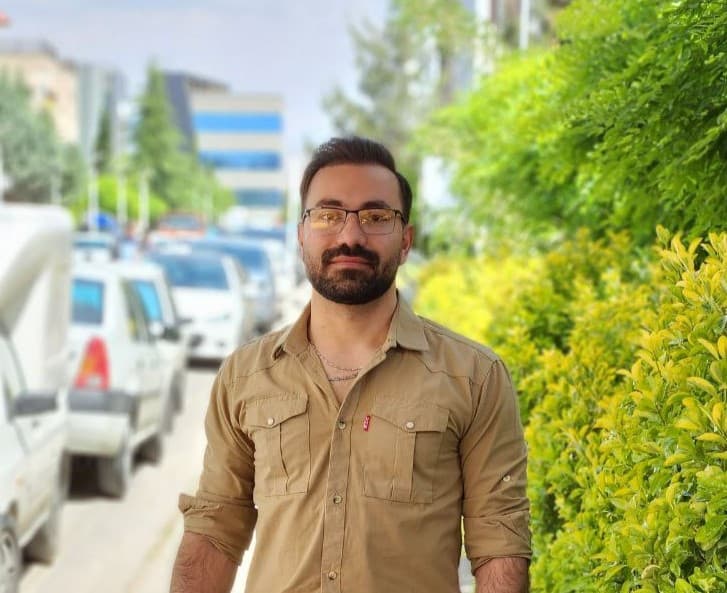
I founded OmniTechs in Groningen in March 2023. My path runs from civil and structural engineering through Python/Django and full-stack product development into digital operations, while warehouse and production work keeps my view of real processes grounded.
The project cards show work from the studio I lead. Each one states what actually exists and does not turn a demonstration, production system or closed project into a customer result.
The bilingual site, typed content, search contracts, automated tests and guarded Windows publication form one maintained production system. It demonstrates building and delivery, not customer outcomes by itself.
A live hospitality service flow with QR entry, ephemeral sessions, staff access and a shared status lifecycle. It is a working demonstration, not a claim of a customer installation or commercial result.
A self-run 3D-printing webshop and request route for personalised objects and home decor—from order to printing, packing and shipping, I handle it myself. It shows operational ownership alongside OmniTechs, not an OmniTechs customer result.
Own products across AI, automation, IoT and digital fabrication that OmniTechs custom-builds on request, after a feasibility check and written quotation. Each Lab page shows the available working examples and is not a fixed offering or customer case.
Three large architectural designs were printed for this assignment. The public Trustpilot review describes the quality, progress updates and delivery of that work.
An earlier platform direction for connecting local demand and supply. The case records lessons about focus, repeat demand, density and adoption without claiming current availability, revenue or scale.
The workshop
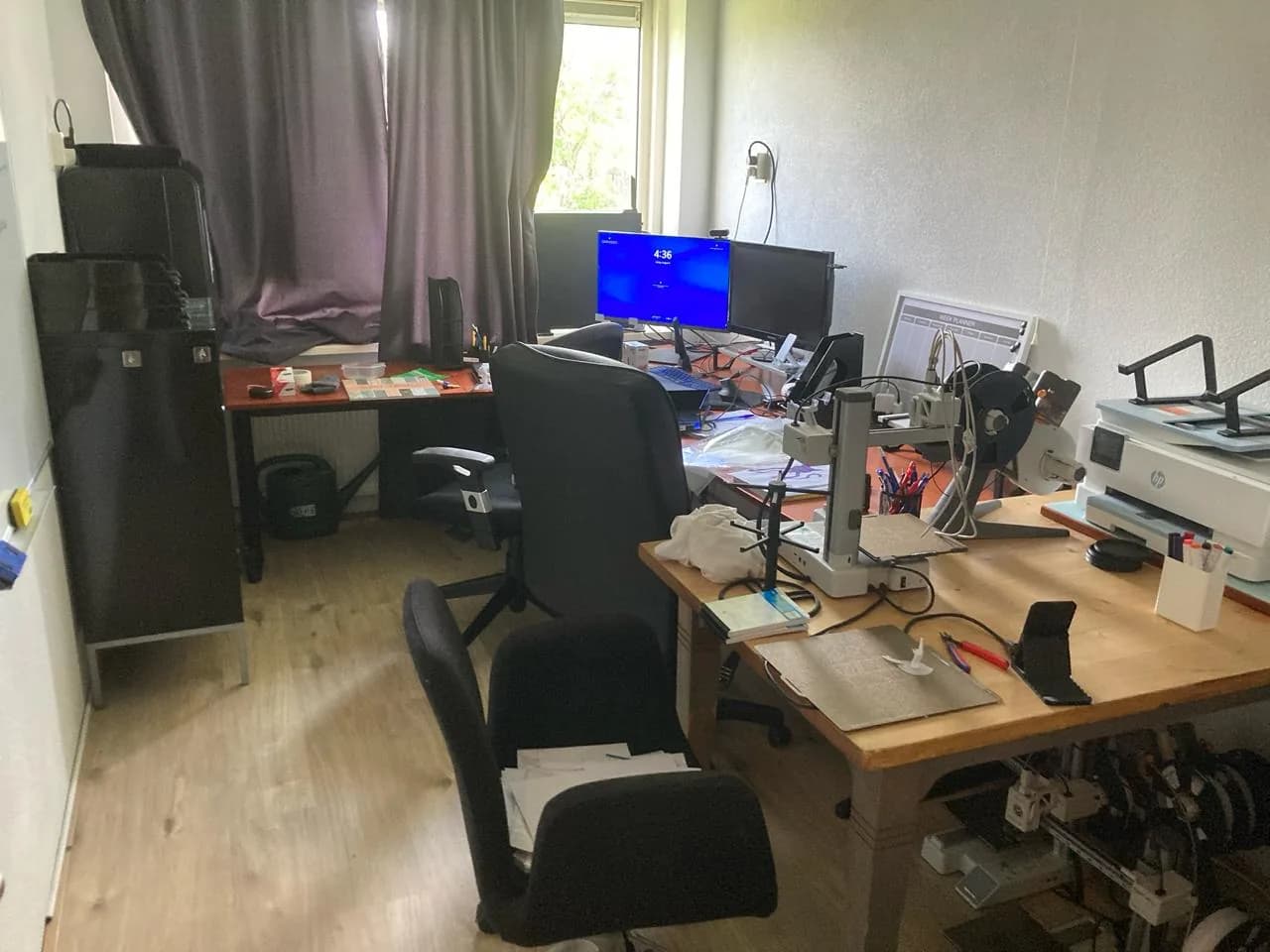
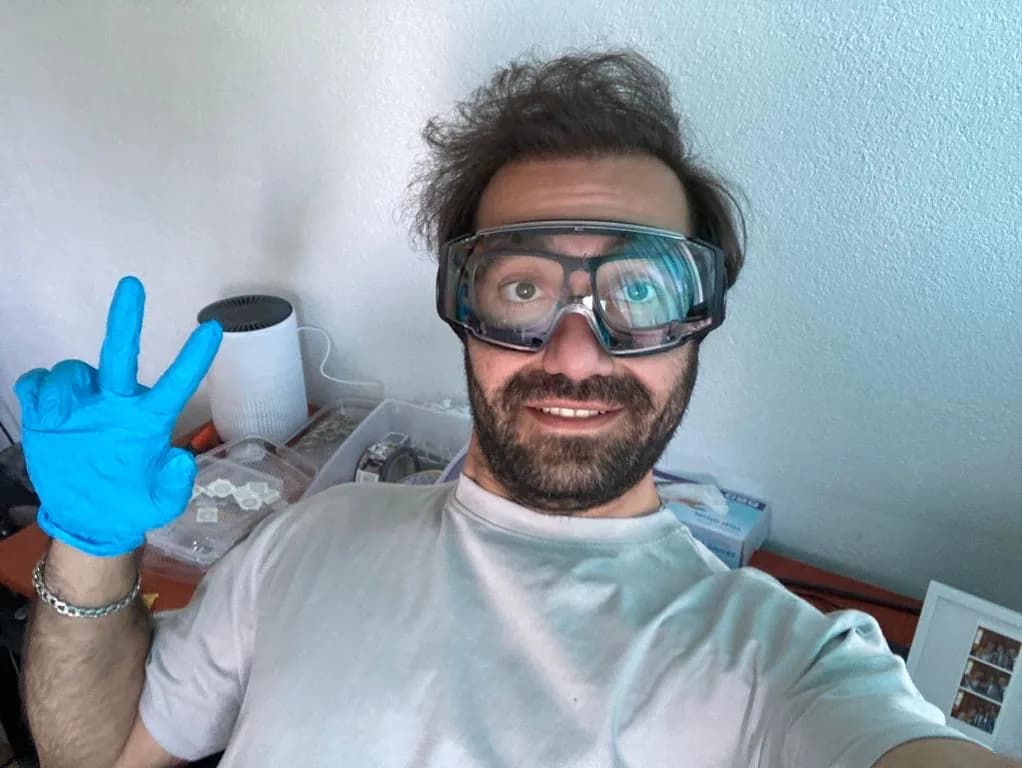
Not every project on this page is visible: software runs on a server and an integration is a line in a log. The physical side is visible. This is the room in Groningen where the printers sit and where finishing is done by hand.
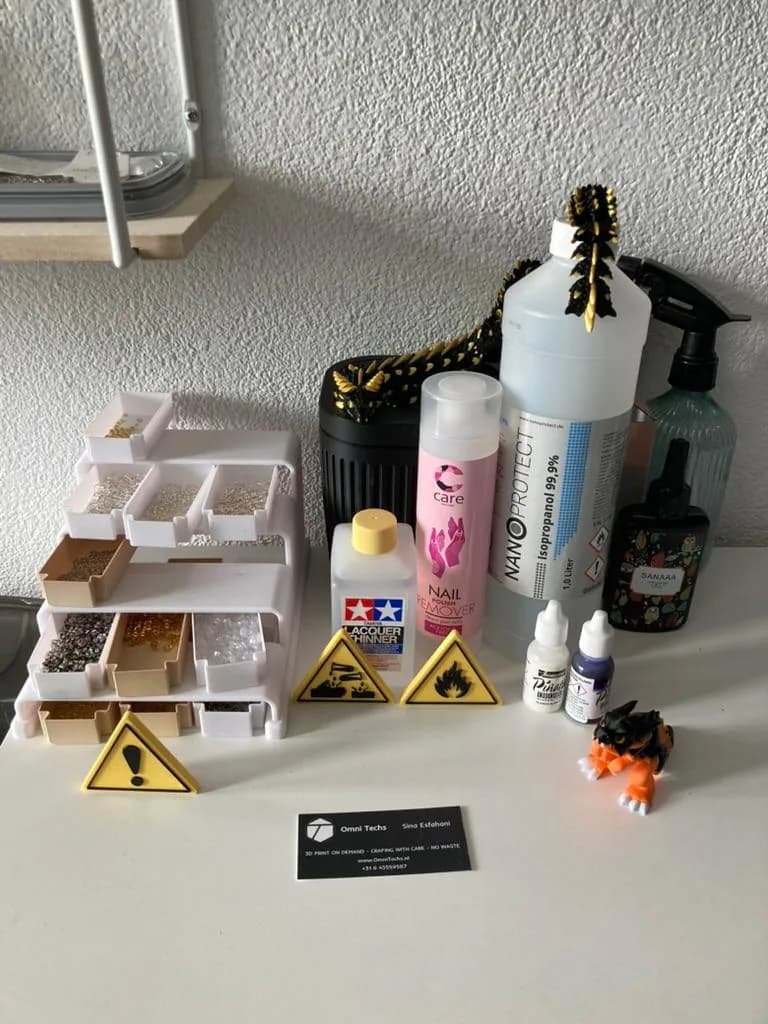
My education started with physical systems: a BSc in Civil Engineering at Urmia University and an MSc in Structural & Earthquake Engineering at Semnan University. Structural dynamics, modelling and working with uncertainty still shape how I break down technical questions.
The focus then moved into software: first backend and platform work, then complete products, integrations and operational workflows. I do not treat these as separate identities; they share one question: what needs to work reliably under real conditions?
Professional recommendation
“Sina demonstrated an incredible aptitude for programming languages such as TCL and MATLAB, which he skillfully utilized to develop a civil engineering development tool. His work showed the intersection of civil engineering and programming can lead to innovative and impactful solutions.”
Some roles overlapped because remote projects and entrepreneurship ran alongside one another. The timeline makes that visible instead of polishing it into a single linear story.
Digital operations stays credible when you also see what a scanner, queue, handoff or awkward system does on the shop floor. That is why my operational work belongs in this portfolio.
My stack is a toolbox, not a menu every project must use. I choose the smallest combination that fits the process, risk and ownership model.
Professional recommendation
“His ability to communicate complex concepts in a clear and concise manner is a testament to his proficiency as a software developer.”
The current founder-led OmniTechs system demonstrates how operational questions, roles and boundaries are modelled, how interfaces and backends are built, and how delivery remains verifiable. This is system and studio evidence; specialist knowledge or extra capacity still belongs explicitly in each project scope.
That is my working rule. Sometimes the right outcome is configuring an existing tool better. Sometimes one integration, portal or workflow is missing. And sometimes an idea belongs in the Lab or a project should stop. Quality is not how much technology gets added; it is how precisely the real problem is solved and proven.
The free fit check first determines whether OmniTechs fits and which small, verifiable next step makes sense.